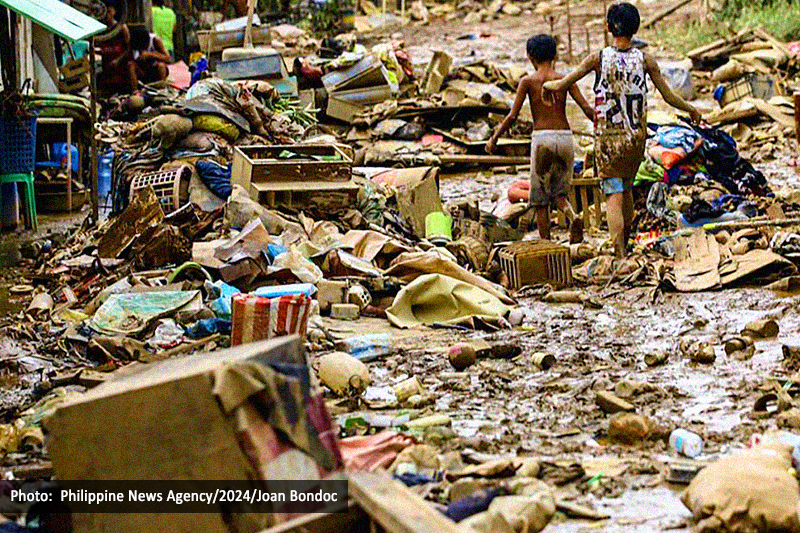
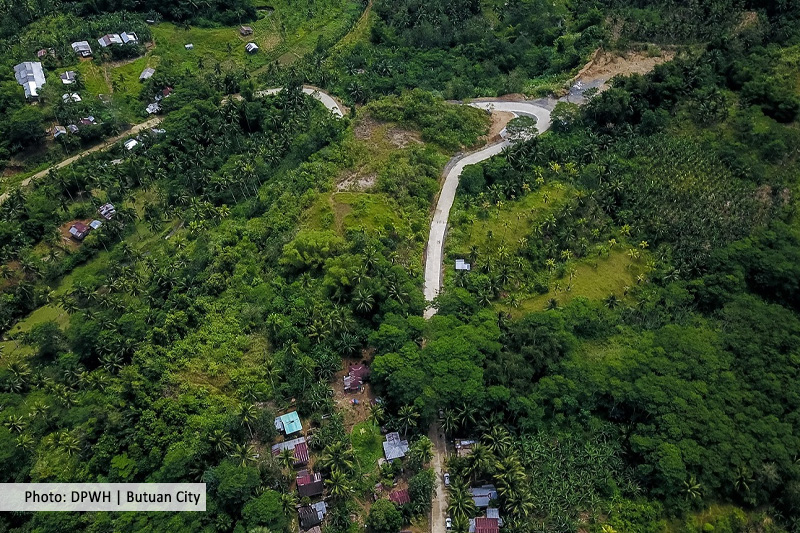
This paper examines the fiscal impacts of climate-related events in the Philippines and proposes policy measures to build a climate-resilient economy. Through cross-sectional analysis, it finds that the fiscal resilience of local government units (LGUs) is influenced by their dependence on external revenues, the availability of preallocated funds, and the severity of disasters. The results underscore the need for region-specific fiscal strategies that diverge from conventional frameworks, given the country’s decentralized disaster management system and the pivotal role of local institutions. The study recommends establishing a dedicated climate resilience fund, adopting climate-responsive budgeting, strengthening risk transfer mechanisms, incentivizing green investments, and enhancing LGU capacity to manage adaptation financing. Additionally, investments in climate research, data-driven governance, and public awareness are essential. Aligning climate finance with long-term development goals and the 2030 Agenda for Sustainable Development would integrate resilience into national planning, enabling the Philippines to better withstand climate risk while promoting sustainable growth and fiscal stability.